

Understanding the Ripple Effects When a Loved One Dies by Suicide


Trigger Warning: This post discusses suicide and its emotional impact. If you are struggling with thoughts of self-harm, please reach out for immediate help. In the United States, call 988 or your local emergency number.
The loss of a loved one is always deeply painful, but when someone dies by suicide, the shock-waves will almost always reverberate through families and close friends in complex, long-lasting ways. Beyond the grief, survivors often grapple with guilt, unanswered questions, trauma, and profound shifts in identity and trust. This blog explores those effects and offers guidance on healing and resources for support.

Immediate Impact: The First Days and Weeks
When a family member or close friend dies by suicide, the initial emotional response can be overwhelming and confusing. People often describe a “freeze” period, a mix of shock, denial, and disbelief.
Shock and Disbelief
Discovering a suicide, whether over the phone or in person, can feel surreal. The brain struggles with the permanence of death and the abruptness of the act. Many survivors replay their last interactions with the person, searching for signs they missed.
Guilt and Self-Blame
It’s extremely common for survivors to ask:
“What could or should I have done to prevent this?”
“Why didn’t I see it coming?”
“Or if all of the signs were there, did I fail them?”
These questions may surface even when there were no clear warning signs. Guilt and blame are natural emotional reactions to a suicide.
Initial Trauma Symptoms
For individuals who were present at the time of death or who discover the body, the emotional impact can include acute stress reactions such as anger, shaking, numbness, difficulty sleeping, dreams with horrific images, and avoidance of reminders including other friends and family. Some people experience physical symptoms such as headaches, nausea, or panic attacks.

Relationship Matters: How the Impact Varies
The way suicide affects someone depends heavily on the nature of the relationship.
Spouses or Partners
Partners often feel substantial disruption to their sense of safety, future plans, and identity. Those relationships involve shared dreams and routines; their sudden absence can lead to:
Disruption in normal daily routines.
Difficulty trusting others.
Struggles with loneliness and isolation, but fear of moving on.
Spouses may feel both grief and a deep longing to understand why.
Children and Teens
For children, the impact can be particularly destabilizing. They may:
Internalize the loss as something they caused
Develop anxiety about abandonment
Struggle with behavior, school performance, or mood regulation
Support from mental health professionals is critical. Children need clear, age-appropriate explanations and reassurance that they are not to blame.
Siblings
Siblings may experience a mixture of grief and confusion, especially if the deceased was particularly close. Feeling may include:
A blow to their sense of family stability
A new tag of extreme family dysfunction
Conflicted emotions of loss, isolation and resentment of others
Parents
Parents often face intense grief, guilt, and a crisis of meaning. Some describe it as losing not just a child, but of future accomplishments through life stages they imagined sharing.
Close Friends
Friends frequently lose their daily routines, sometimes the loss was the only person that made their life whole.
They may struggle quietly, feeling unsure where they fit in the family’s grief.

How Learning About the Death Affects Grief
The way someone learns about a loved one’s suicide can shape their emotional experience.
Being Present
Those who witness the death or find the body are at higher risk of post-traumatic stress disorders. Visual memories or sounds can become distress triggers.
Learning Later
Even when the death is reported over the phone or in person later, the shock can be profound. Survivors may feel a “disconnect” between the mind’s expectations and the finality of the news.
Sudden Discovery by Someone Else
Sometimes, family members learn through emergency responders, law enforcement, or other relatives, and this indirect transmission can lead to feelings of helplessness, confusion, or anger.
Regardless of method, there is no “right” or “wrong” way to respond emotionally. All reactions are valid, and each person’s healing timeline is unique.

Does the Suicide Method Change the Impact?
While every death is a death of a human, and every person deserves compassion, the circumstances surrounding a suicide can affect how survivors process it emotionally.
Overdose or “Quiet” Methods
Deaths that occur in ways less visually graphic may allow families to process through thoughtful remembrance without intrusive sensory triggers. Still, guilt and grief remain raw and real with a lifetime of Why.
Violent or Visually Intense Methods
Suicides involving a gunshot, hanging, or other physically intense scenes can introduce a layer of trauma to the grief. Family members who witness or learn vivid details may:
Experience flashbacks with thoughts or images
Avoid reminders (places, rooms, objects)
Develop anxiety, panic responses and PTSD
Professionals often recommend trauma-informed care in these cases, including therapy techniques specialized for trauma symptoms.
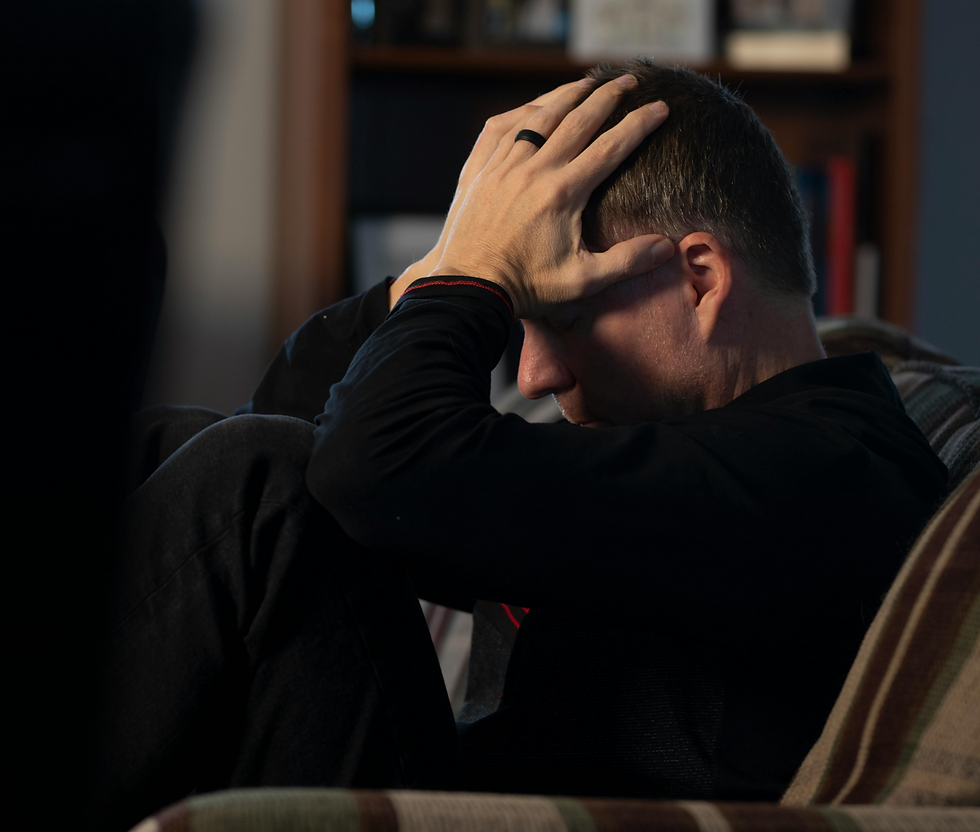
Long-Term Impact: Years After the Loss
As time passes, the emotional response shifts but does not disappear.
Enduring Questions and “Why”
Even after many years, survivors may return to questions of meaning: Why did this happen? What could have been different? These are not signs of failure but part of an ongoing process of understanding and acceptance.
Identity and Life Narrative
Many survivors report that suicide changes how they view their remaining relationships, safety, uncertainty, mortality, and trust. Some find new purpose in advocacy or supporting others; some take years to rebuild their sense of normalcy.
Complicated Grief
When grief becomes persistent, debilitating and interfering with daily life for extended periods, it may fall into what clinicians call complicated grief or prolonged grief disorder. It often co-exists with depression, anxiety, and/or PTSD.
Healing, Support, and Resources for Survivors
Therapy / Counseling: Individual and group therapy with professionals trained in grief and trauma.
Trauma-Focused Therapies: EMDR (Eye Movement Desensitization and Reprocessing), CBT (Cognitive Behavioral Therapy), and grief-specific counseling can reduce PTSD and complicated grief symptoms.
Support Groups
Groups for suicide loss survivors offer shared understanding:
Survivors of Suicide Loss Support Groups (often hosted by local hospitals or community centers)
Online forums and peer support communities
Self-Help Practices
Journaling to explore emotions and memories
Routine and self-care, including sleep and nutrition
Friendships, maintaining positive, nurturing relationships
Crisis and Support Lines
If you’re in crisis or feel overwhelmed:
U.S.: Call or text 988
Immediate needs, call 911

Final Thoughts
Losing someone to suicide is profoundly painful and can leave lasting emotional scars. Yet with compassionate support, understanding, and time, survivors can move toward healing, carrying the memory of their loved one without being defined solely by the loss.
Your pain is real. Your grief is valid. And there is help.

**Reach out to me at any time.
I am not only willing, but I also look forward to taking a share of your pain. Email: David@bondedabrotherslove.com. You will get a caring same day response.
Nothing scripted.
You are not alone, and you matter.

If You’re Struggling
If you or someone you love or know is in a dark place, please know you’re not alone and there is help available. Reaching out is a sign of strength, not weakness. There are people ready to listen, ready to walk with you, and ready to help.
Immediate assistance is available:
National Suicide & Crisis Lifeline
📞 988
Veterans Crisis Line
📞 1-800-273-8255 (Press 1) | 📱 Text 838255
Survivor Support / Crisis Group
🌐 https://www.crisishotline.org 📞 832-416-1177
💡 If you know someone who needs to hear that they are not alone, share this story. Together, we can create echoes of hope that outlast the pain.

For more than five decades, I carried this story in silence. Silence nearly broke me, but telling it is what keeps hope alive.
Bonded: A Brother’s Love : One Bullet. A Thousand Echoes my hope is that it offers understanding, connection, and even a reason to hold on when life feels unbearable.
📖 Order your copy today and join me in breaking the silence. Together we can spread hope, honor the lost, and change the future.


Comments